

Reward information is easier to enjoy when the numbers make sense at a glance. JILI Bombing Fishing combines an active fishing scene with prize displays, giving players several details to follow as they aim and fire. This cc6 guide explains how to read those details and connect a reward label with the rule behind it.
Start with the basics: your selected shot value, the target’s information and any special feature conditions. These provide the context that a large number on its own cannot supply.
Read the Reward Unit First
An amount, a multiplier and a feature total serve different purposes. Check whether the screen is showing a peso value, a multiple of a stated base or the accumulated result of an event.
| Display term | What to identify | Useful question |
|---|---|---|
| Shot value | Cost of the selected firing action | What does one shot cost here? |
| Target reward | The rule attached to that target | Is the figure fixed or conditional? |
| Multiplier | The value being multiplied | Which stake or base does it use? |
| Feature total | The result for a special event | What does this total include? |
| Balance | The available amount shown by the interface | Has the result been credited? |
A Simple Multiplier Example in Pesos
Suppose a game’s rules define a particular reward as 50 times a ₱2 qualifying base. The arithmetic would be 50 × ₱2 = ₱100. This is an illustrative example only; it is not a quoted Bombing Fishing target payout.
| Example component | Illustrative value |
|---|---|
| Qualifying base defined by the example | ₱2 |
| Example multiplier | 50× |
| Result of the multiplication | ₱100 |
For cc6 readers, the useful lesson is to identify the base before multiplying. Once that is clear, the number becomes much easier to interpret.
What Does the Listed 1200× Maximum Mean?
JILI lists a maximum win of 1200× for Bombing Fish. It is a useful headline specification when researching the game; check the current rules for its qualifying base and conditions. Treat it as the advertised ceiling, with the actual result shown by the game.
Follow Shot Cost Alongside Rewards
A firing session includes the shots used as well as the rewards received. Keeping both in view gives you a fuller reading of the action. For example, 20 shots priced at ₱1 each would cost ₱20 before accounting for rewards or any separately priced tools.
These simple calculations are useful when choosing a session pace. You can select a comfortable shot value and follow the interface with fewer interruptions.
Where Does RTP Fit?
If you want an RTP figure for the version you are playing, consult its help or game-information screen. This cc6 article does not assign an unverified percentage. The practical focus here is the reward information you can actually inspect: costs, qualifying conditions and displayed results.
Review Special-Event Totals Separately
When the game introduces a feature, read that event’s own instructions. A feature result may have a different presentation from an ordinary target reward, so give its completion screen a moment of attention.
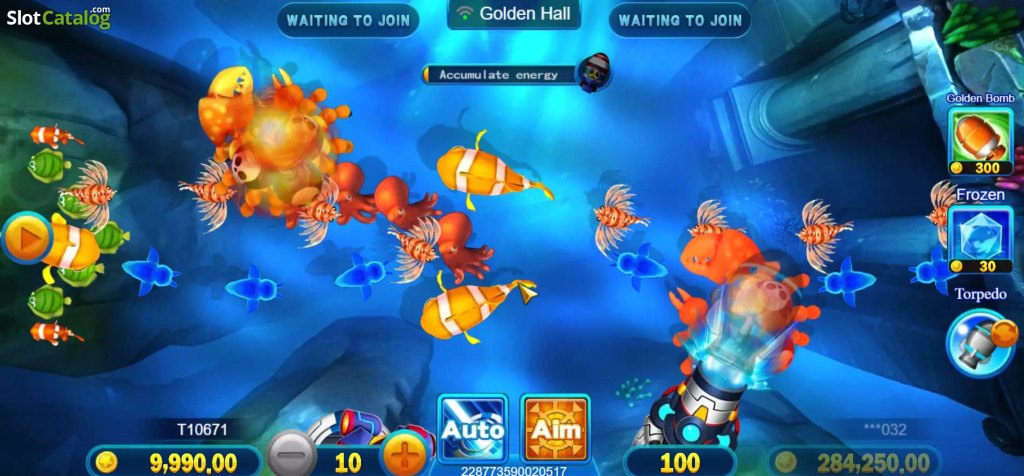
Turn the Numbers Into a Clearer Experience
Understanding the display helps you appreciate the excitement of a catch or feature result. You can see what the number refers to and how the game arrived at the shown amount.
For cc6 players exploring JILI Bombing Fishing, reward literacy is a useful companion to learning the controls: check the unit, read the condition and enjoy following the result.